Image


Radha Devi Mukhiya, 52, Chairperson of the Ramjanaki Women Farmer Group in Tilathi Koiladi Rural Municipality, Saptari District, has turned adversity into opportunity, transforming a community long defined by recurring floods into a thriving hub of commercial vegetable production.
For generations, families in Mukhiya Tole have lived between the Khando and Koshi rivers, facing annual flooding during the monsoon season. Each year, homes, crops and livelihoods are damaged or lost, forcing many residents to seek shelter in cattle sheds while waiting for the waters to recede.
Rather than viewing the rivers solely as a source of hardship, Radha Devi and the members of the Ramjanaki Women Farmer Group found a way to make use of the very landscape that challenged them. Supported through the Joint Programme on Rural Women's Economic Empowerment (JP RWEE), they acquired the technical knowledge, financial literacy and business skills needed to establish commercial farming enterprises.
Today, the group leases approximately 13 hectares of riverbed land along the Koshi River. While these areas remain submerged for about a month each year, the sandy soil and humid tropical conditions provide ideal conditions for growing vegetables during the rest of the year. Working together and sharing labour through a rotational system, the women cultivate crops at a commercial scale, supplying vegetables in quantities large enough to attract traders directly to their farms.
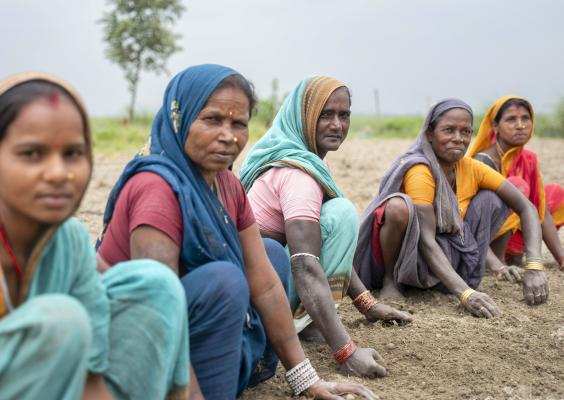
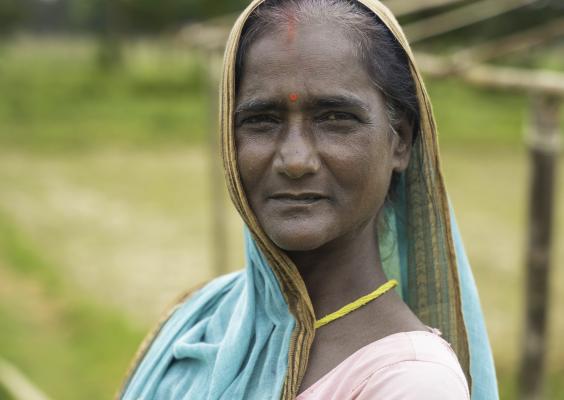
1. The Ramjanaki Women Farmer Group in the field. 2. Radha Devi Mukhiya' portrait. Photos: UN Women/Ishan Maharjan
The results have been transformative. Formerly dependent on daily wage labour, many group members now earn annual incomes in the hundreds of thousands of Nepalese rupees, enabling their families to better withstand seasonal shocks and build greater economic resilience.
The changes have extended beyond income generation. Radha Devi has become a strong advocate for women's wellbeing and self-care. She built a shelter where women can rest or take cover during extreme weather while working in the fields.
"Now see, I even have this giant bottle of water from where I drink water throughout the day. In the past, you couldn't catch me taking even a bathroom break," she says with a laugh.
She has also encouraged healthier practices within her own household, ensuring that her daughters-in-law prioritize their health and that new mothers have adequate time to recover after childbirth.
As chairperson, Radha Devi has helped guide her group from subsistence farming towards entrepreneurship, encouraging members to think strategically about investments, markets and future growth. Equally important, she has witnessed a profound shift in women's confidence and participation in community life.
"We are now different women from just three years ago who hid behind our veils when encountering men. Now we are part of any important discussion, be it school or ward meetings, infrastructure debates or even politics," she says.
Today, the women of the Ramjanaki Farmer Group are not only more economically secure but also more visible and influential within their communities. Their journey demonstrates how rural women can transform vulnerability into opportunity when equipped with the skills, resources and collective support needed to lead change.