Image


Bimala Devi Kamait of Pokharbhinda village embodies the story of many rural households in Nepal today: a multi-generational migrant family navigating both economic opportunity and distance. For years, her husband worked abroad while Bimala raised their two young sons alone. Now that he has returned, both sons themselves have migrated for work—leaving her once again at the head of the household.
Bimala is a proud member of the Saraswati Women Farmers’ Group formed under the JP RWEE. She says joining the group has been transformational not just for her, but for women across the village. In a community shaped by deep-rooted patriarchal norms, the group has opened a new space for learning, solidarity and leadership.
One of the moments she recalls with pride is how the group came together to support a woman accused of witchcraft by her own family—a harmful practice still affecting women in some rural communities.
“Recently, we helped a sister accused of witchcraft by her family. As a group, we went to her home and resolved the issue. We explained the legal consequences and spoke about superstitions. Now she faces no problems from her family or neighbours,” Bimala said proudly.
Through the JP RWEE, members of the group also gained technical skills for improved farming—but equally important, they learned about women’s rights, confidence and collective action.
A practical and locally adapted innovation introduced by the JP RWEE in the community is the Custom Hiring Center—a service that rents out farm machinery at affordable rates. For women or elderly-led households like Bimala’s, this has been life-changing.
“Before, we had to book tractors months in advance. Now it’s easier and cheaper. We also rent smaller tools like tillers and sprayers, which has changed how we farm,” she explained.
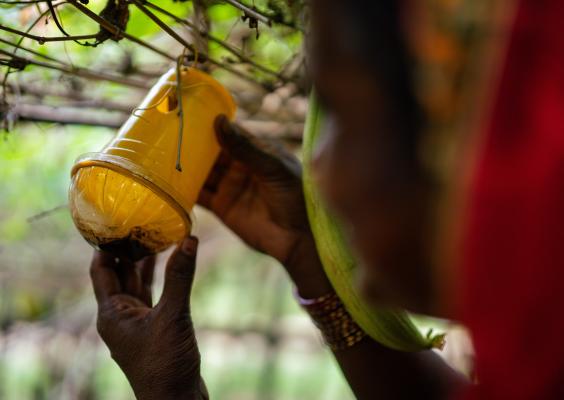
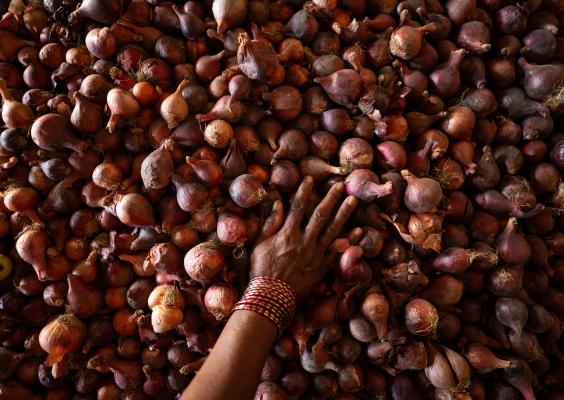
Although Bimala does not own much land, improved access to tools and knowledge has helped her double the size of her vegetable plot. She now grows and sells high-value crops, including spices, in the local market—creating a new and reliable source of income.
Today, she is investing her earnings into building a new house, hoping it will be ready when her sons return for their future marriages. Her biggest dream is simple yet profound: that her daughters-in-law will not have to live apart from their husbands the way she did for so many years.
For Bimala, the JP RWEE has shown that opportunity, dignity and leadership can begin right within the village. She hopes that the next generation—her sons and their families—can build their lives together at home, without having to leave their community behind.