Image


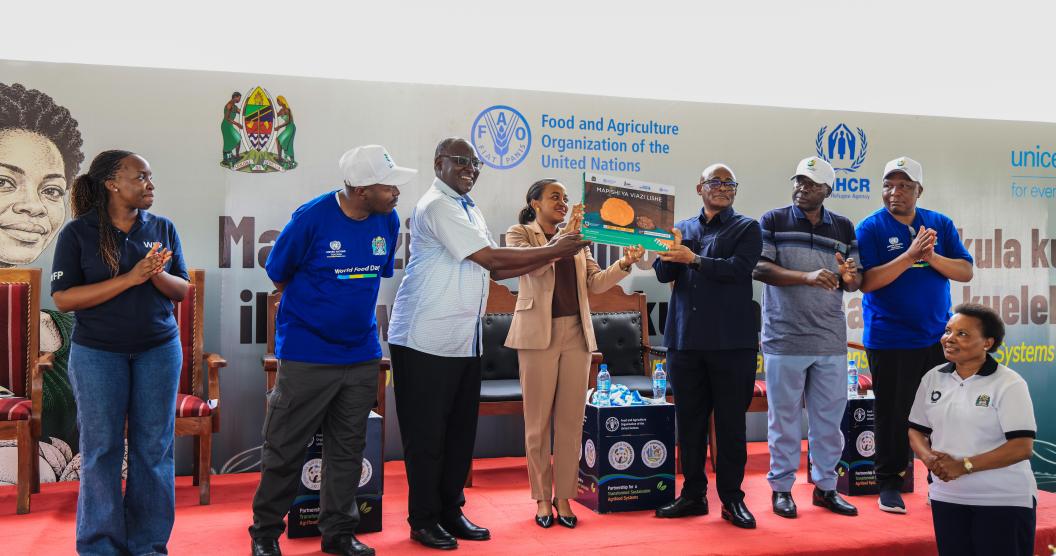
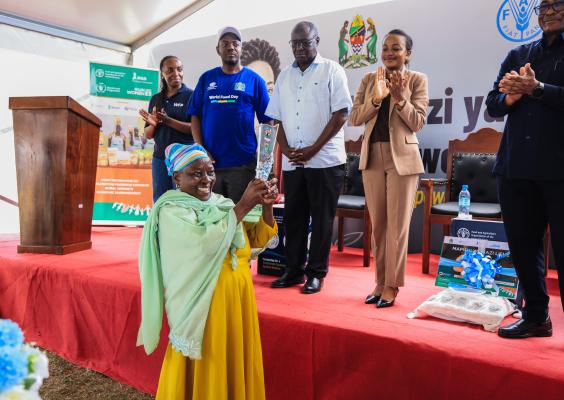
As part of the World Food Day 2026 celebrations, JP RWEE launched its Orange-Fleshed Sweet Potato (OFSP) Recipe Book, developed in collaboration with the Tanzania Food and Nutrition Centre (TFNC).
Orange-Fleshed Sweet Potato is more than a food crop. Its versatility in preparing different meals, combined with its nutritional value, provides an important opportunity to promote dietary diversity, household food security and improved nutrition.
Recognizing this potential, the recipe book was developed through the Joint Programme on Accelerating Progress towards Rural Women’s Economic Empowerment (JP RWEE), in collaboration with TFNC, to promote greater use of OFSP in everyday diets and demonstrate the many ways it can be transformed into nutritious and appealing meals.
From local knowledge to tested recipes
The development of the OFSP Recipe book followed a consultative and participatory process involving stakeholders from JP RWEE project sites. The process brought together local knowledge, food practices and practical experiences in the different ways OFSP can be prepared, consumed and incorporated into commonly eaten foods. Recipes were gathered and reviewed in consultation with local partners, such as Ikungi and Chamwino district stakeholders (PO RALG), Tanzania Food and Nutrition Center under Ministry of Health, Better Market for Crops Company on OFSP crop and other, to ensure that the final selection reflected local food preferences, preparation practices and the realities of the communities expected to use the book.
Importantly, the process went beyond simply documenting recipes. Every recipe included in the book was prepared through live cooking sessions, allowing participants to practically test and assess the ingredients, preparation methods and final products. This hands-on process helped ensure that the recipes are practical, replicable and appropriate for household and community use.
The process also demonstrated the versatility of OFSP. Rather than consuming the crop only in its conventional forms, households can incorporate OFSP into a variety of familiar foods and meals, providing more options for making this nutritious crop part of everyday diets.
Transforming nutrition knowledge into everyday meals
From a nutritional perspective, OFSP is particularly valued for its beta-carotene content, which the body converts into vitamin A. Vitamin A plays an important role in supporting healthy growth, immunity and vision.
Increasing the consumption of OFSP as part of a diverse and nutritious diet can therefore contribute to improved nutrition, particularly among women, children and other nutritionally vulnerable groups. The Recipe book transforms this nutrition knowledge into practical action by showing households and communities how OFSP can be prepared, served and enjoyed in different ways.
Combining digital access with practical community tools
To take the recipes closer to communities, the book is complemented by a printed Bango Kitita containing selected OFSP recipes for direct reference and use. The Bango Kitita also features a QR code linking users to the complete OFSP Recipe E-book, providing easy digital access to a wider selection of recipes. This combination of printed and digital materials offers flexible options for dissemination and use. The Bango Kitita can be displayed and used in households, communities, schools, hospitals and health facilities, and during community training, nutrition education, cooking demonstrations and agricultural extension activities.
The materials can also be disseminated through nutrition professionals, agricultural extension officers, community facilitators, women’s groups, schools, health facilities and development partners, providing an opportunity to integrate OFSP recipes and nutrition messages into existing community outreach activities.
The launch is only the beginning
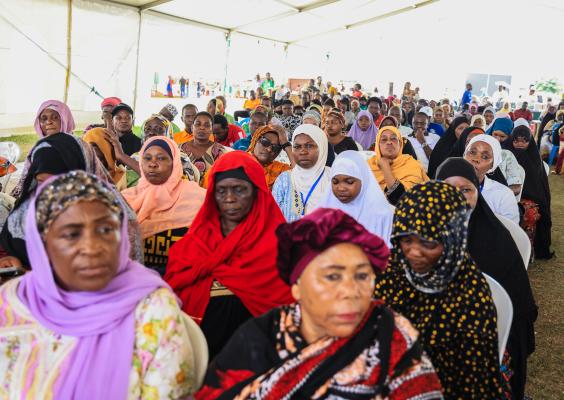
Importantly, the launch of the recipe book marks the beginning of its use within communities. Following the launch, nutrition education sessions using the OFSP Bango Kitita are planned to take place in Ikungi and Chamwino Districts to promote healthy cooking practices, dietary diversity and improved nutrition. Through these sessions, communities will have opportunities to learn how OFSP can be incorporated into different meals and to better understand its nutritional benefits. Cooking demonstrations and nutrition education will further help translate the information into practical food preparation and healthier food choices at household and community level.
Connecting nutrition with rural women’s empowerment
For JP RWEE, the initiative also reinforces the connection between agricultural production, household consumption, nutrition and rural women’s economic empowerment. Rural women play a central role in food production, food preparation and household nutrition. Strengthening their knowledge and skills on how to utilize nutritious crops can help families make better use of locally produced foods while also creating opportunities for value addition, product diversification and livelihoods. By demonstrating multiple ways of utilizing OFSP, the Recipe book can encourage communities not only to produce the crop, but also to consume it in diverse forms and explore opportunities for OFSP-based food products.
Potential beyond JP RWEE communities
While developed within the context of JP RWEE, the Recipe book also has potential for wider dissemination across Tanzania and the region, particularly in areas where sweet potato is widely grown and consumed. The QR code makes the full book easier to access and share digitally, while the recipes provide an adaptable resource that can be used alongside local foods, preferences and eating practices. Ultimately, the success of the OFSP Recipe book will be seen in how knowledge moves from the book to kitchens, and from kitchens to the plates of families and communities.
Through its consultative development, live preparation and testing of recipes, integration of printed and digital communication tools, and planned post-launch nutrition education, the initiative offers a practical pathway for promoting healthy cooking, diverse diets, improved nutrition, enhanced food security and more resilient rural livelihoods.
The launch of the OFSP Recipe book is therefore not the end of the journey. It is the beginning of taking tested recipes and nutrition knowledge into households and communities, helping turn a nutritious crop into diverse meals, healthier diets and opportunities for rural women.